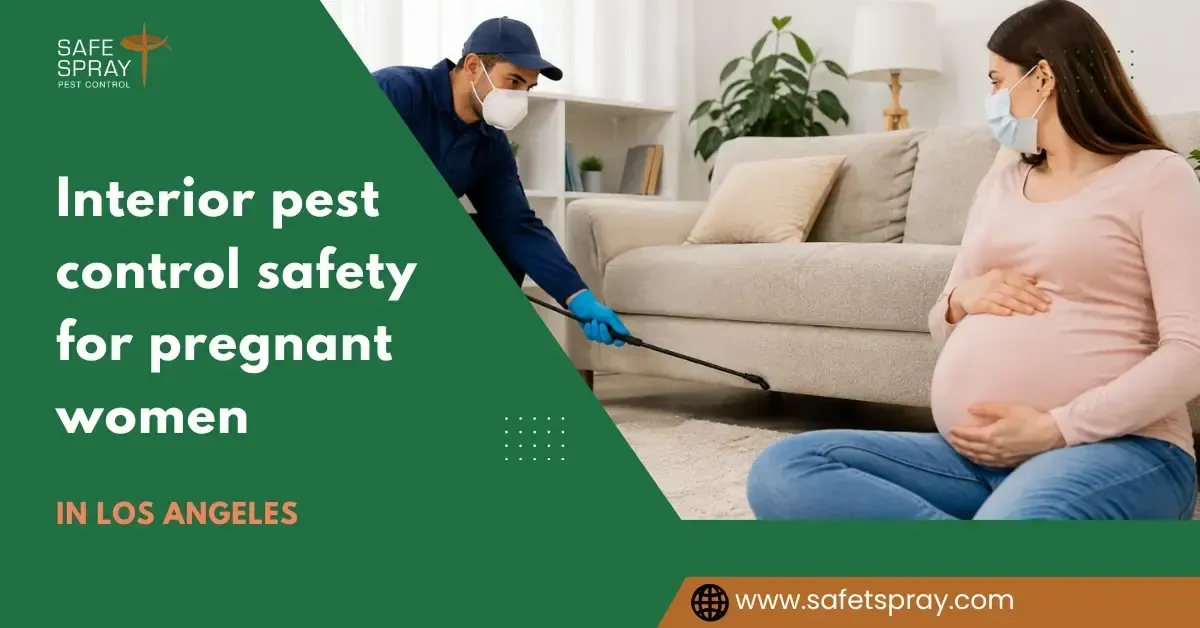
Is Interior Pest Control Safe for Pregnant Women or People with Respiratory Conditions?
Yes, interior pest control safety for pregnant women and people with respiratory conditions is absolutely possible when a licensed technician uses the right products and follows the correct process. Modern EPA-approved treatments pose very low risk when applied by a professional who knows exactly what to use and where to use it.
San Bernardino County residents in cities like Fontana, Rialto, Redlands, and Rancho Cucamonga deal with ants, cockroaches, rodents, fleas, and termites pushing indoors all year. Pregnant women and people with asthma, COPD, or other breathing conditions living in these homes often feel stuck. They need pest control but worry about chemical exposure. The good news is that safe options exist, and knowing what to ask for makes all the difference.
Why Pregnant Women and People with Respiratory Conditions Need Extra Care
Pregnancy and respiratory conditions make people more sensitive to airborne chemicals than the average healthy adult.
How Pesticide Exposure Affects Pregnant Women
During pregnancy, the body absorbs and processes chemicals differently. Pesticide exposure during the first trimester carries the highest risk because that is when the baby's organs develop fastest. Most licensed exterminators know this and adjust their treatment plan for homes with pregnant women.
Here is what raises the risk level during pregnancy:
Prolonged time inside a freshly treated room before it airs out
Breathing in aerosol or fogger products during or right after application
Skin contact with wet pesticide on floors or surfaces
Sleeping in a room treated with a heavy insecticide without proper ventilation
How Pesticide Exposure Affects People with Respiratory Conditions
People with asthma, COPD, bronchitis, or allergies react faster to airborne chemicals than healthy adults. Even a low-toxicity spray can trigger coughing, wheezing, or shortness of breath if ventilation is poor. Common respiratory triggers in pest control products include:
Aerosol propellants used in flying insect sprays
Strong-smelling insecticide concentrates applied in enclosed spaces
Fogger products that fill an entire room with fine chemical particles
Dust-based products like some forms of diatomaceous earth when inhaled directly
What Makes a Pest Control Treatment Safer for These Groups
Eco-friendly, low-toxicity products with targeted application carry the lowest risk for pregnant women and people with breathing conditions.
EPA-Approved Low-Toxicity Options
The Environmental Protection Agency classifies pest control products by toxicity level. Products in the lowest toxicity category carry the least risk for sensitive groups. A good exterminator always checks which category a product falls into before using it in a home with a pregnant woman or someone with a respiratory condition.
Here is a quick guide to safer product types:
Integrated Pest Management for Sensitive Homes
Integrated pest management is the safest approach for homes with pregnant women or people with respiratory conditions. It uses the least amount of pesticide needed to solve the problem. Instead of blanket spraying, it combines bait stations, sealing entry points, sanitation guidance, and targeted spot treatments.
Safe T Spray Pest Control uses integrated pest management methods across San Bernardino County, specifically for families who need a lower-chemical approach to pest management.
How Long Should Pregnant Women and People with Respiratory Conditions Stay Out
Staying out longer than the standard waiting period gives the product more time to dry and the air more time to clear.
Recommended Waiting Times
Standard waiting times apply to healthy adults. Pregnant women and people with respiratory conditions should add extra time on top of what the technician recommends.
Always tell your technician about the pregnancy or respiratory condition before the job starts. Safe T Spray Pest Control adjusts every treatment plan around the specific needs of the people living in the home.
What to Do Before the Technician Arrives
Telling your exterminator about your health condition before treatment starts is the single most important step.
Pregnant women and people with respiratory conditions should take these steps before any pest control visit:
Tell the technician about the pregnancy or breathing condition before anything starts
Ask specifically for eco-friendly and low-toxicity pest control solutions
Request gel bait or bait stations wherever possible instead of open spray
Remove all personal items, bedding, and clothing from treatment areas
Cover all food prep surfaces and store food in sealed containers
Arrange to stay somewhere else for the full waiting period plus extra time
Ask the technician for the exact active ingredient in every product they plan to use
Check that the product label directions include safe use around sensitive groups
What to Do After Treatment
Ventilation and surface cleaning matter more for pregnant women and people with respiratory conditions than for any other group.
Ventilate Thoroughly Before Returning
Fresh air needs to move through the home for longer than the standard 30 minutes for these groups. Open every window and door and run fans to push air through before anyone with a respiratory condition or pregnancy enters the home.
After ventilation, follow these steps before settling back in:
Mop all hard floors in every treated area with clean water
Wipe down all low surfaces, countertops, and baseboards
Wash any bedding or soft furnishings that were in treated rooms
Run the air conditioning or a fan for an additional hour after returning
Avoid vacuuming treated carpet for at least 24 hours so the product stays active
Signs to Watch For After Returning Home
Pregnant women and people with respiratory conditions should watch for these symptoms after returning to a treated home:
Coughing, wheezing, or shortness of breath
Headache or dizziness
Skin irritation or redness
Eye watering or burning
Nausea or stomach upset
Anyone experiencing these symptoms should leave the home immediately and call their doctor or poison control.
Safer Pest Control Approaches for Sensitive Households
Choosing the right treatment type removes most of the risk before the technician even arrives.
Best Options for Pregnant Women
Gel bait and bait stations for cockroach and ant control
Granular perimeter treatments that stay outside the living areas
Non-toxic repellent sprays for light mosquito or flea pressure
Diatomaceous earth applied carefully in enclosed spaces away from living areas
Sealing entry points and fixing moisture issues as part of an integrated pest management plan
Best Options for People with Asthma or Respiratory Conditions
Bait stations over open spray wherever possible
Water-based pesticide formulas over solvent-based products
Eco-friendly and plant-derived insecticide options
Treatments scheduled on days when the person can stay away longer
After-hours treatments so the home fully airs out overnight before anyone returns
Safe T Spray Pest Control works with every household in San Bernardino County to find the safest possible treatment plan for the people living inside.
FAQs
Can pest control cause a miscarriage or harm an unborn baby?
Professional treatments using EPA-approved, low-toxicity products at correct application rates carry very low risk. The risk rises with prolonged exposure to stronger products in poorly ventilated spaces. Always tell your technician about the pregnancy before the job starts.
Is it safe to sleep at home the night after pest control treatment?
Healthy adults can usually return after two to four hours. Pregnant women and people with respiratory conditions should wait longer, ventilate thoroughly, and mop floors before sleeping in treated rooms.
What pest control products are safest during pregnancy?
Gel bait, bait stations, and granular treatments carry the lowest risk. Integrated pest management approaches that avoid open spraying are the safest option for pregnant women.
Can pest control trigger an asthma attack?
Strong aerosol or fogger products in poorly ventilated rooms can trigger symptoms in people with asthma. Low-toxicity, water-based products applied with full ventilation carry much lower risk.
Should I tell my doctor before scheduling pest control during pregnancy?
Yes. Let your doctor know which products will be used and follow any specific guidance they give based on your trimester and health history.
Does eco-friendly pest control work as well as standard treatment?
Yes. Modern eco-friendly and non-toxic pest control solutions handle ants, cockroaches, fleas, rodents, and termites just as well as older chemical products and break down faster inside the home.
Safe Pest Control Is Possible for Every Household
Interior pest control safety for pregnant women and people with respiratory conditions comes down to honest communication with your technician, choosing the right products, and following proper ventilation and cleaning steps after treatment.
Nobody should have to live with a cockroach, ant, rodent, or termite infestation because they are worried about chemical exposure. Safer options exist and a good exterminator knows how to use them.
